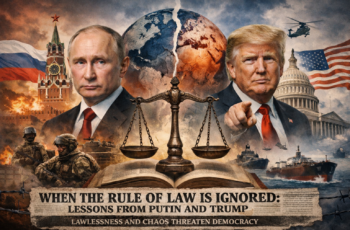


The Caribbean Sea strike in the United States faces serious legal and ethical claims after reports emerged. that a military aircraft used to execute a deadly strike against a suspected drug-smuggling boat was disguised as a civilian aircraft strike in a move that experts claim could constitute an international war crime.
According to a range of reports in the U.S., including with unnamed officials and some confidential sources, the September 2, 2025, strike in the Caribbean Sea marked the first in a monthlong campaign that has been running against ships accused of trafficking narcotics.
It was carried out by an Air Force aircraft strike painted without military markings and carrying. The strike, which President Donald Trump claimed was carried out, was announced on his platform, along the lines of the targeted boat being connected to the Venezuelan criminal organisation Tren de Aragua.
He posted a short video of an explosion at sea and said he had succeeded in disrupting illegal drug activity. Combatants are not allowed to act as civilians or engage in acts that are misleading or deceptive before initiating an attack, to maintain a strict demarcation between military and civilian combat.
These acts of deception are referred to as ‘perfidy’ and are generally considered a war crime according to international law.
The New York Times reports a Caribbean Sea strike where a U.S. military aircraft was painted to resemble a civilian plane.
Retired U.S. Air Force Major General Steven J. Lepper, a former deputy judge advocate general, told The New York Times that concealing an aircraft in that manner is perfidy if people on the vessel being targeted could legitimately consider it to be a civilian plane. “Protecting your personal ID is a part of perfidy,” Lepper said, adding that an identifiable combatant aircraft must not strike with an offensive arm if its appearance is to resemble a civilian craft.
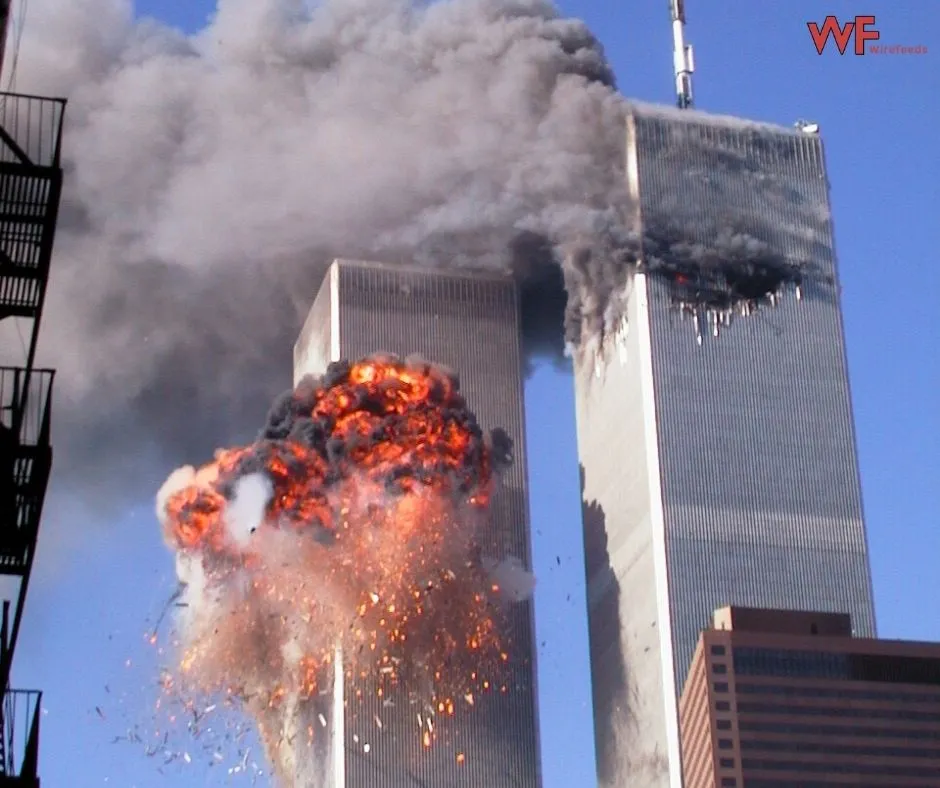
Compounding the controversy are reports that two survivors of the early attack were shot dead in a subsequent bomb attack. Surveillance footage has emerged to depict these survivors waving at the Aircraft Strike while clinging to the debris. Something critics say highlights the potential use of force and the fallout of using false military tactics.
The strikes are legal and vital to breaking up dangerous transnational criminal organisations threatening U.S. interests. Officials also pointed to the aircraft’s electronic transponder, which broadcast a military tail number, as proof that it was not pretending to be a civilian vehicle completely.
As controversy mounted, the U.S. military has been known to have changed its missions and subsequently to use identifiable military aircraft, MQ-9 Reaper drones among them, in its continued war against alleged drug smuggling boats.
Critics globally, ranging from human rights organisations to foreign governments, have said such strikes, particularly in international waters without a formal declaration of war or evidence that the vessels pose a threat now, could be extrajudicial killings or infringements of international law and of the United Nations Charter.
There is a growing public demand for more transparency and accountability. U.S. Congressmen and others have requested briefings and documentation on the legal framework used by the administration to justify the operations and video footage and intelligence assessments related to the strikes.
There is still debate as to whether the classification of drug cartels as unlawful combatants is correct. It provides any sound justification for such a violent action and the limitations of U.S. military authority in the fight against transnational crime.
International observers closely monitor developments while the United States struggles to defend its actions while maintaining backdoor support for wider strategic goals in the area.