


Dry skin in winter demands special attention. Sometimes dryness is more than just flakiness. Your skin can crack, burn, or become very itchy, so targeted care may be needed. In these cases, do not experiment with too many different products. Stick strictly to those calming formulas, which can leave your skin a lot of time to heal. Make a repair-oriented strategy to bring your glow back, not just a short-term cure.
Creating a sustainable winter skincare routine
You need to shift your products with the seasons. That light gel you loved in July won’t fare any better against a January blizzard. A good winter skincare routine centers on “layering” moisture and sheltering the skin’s natural lipid barrier from the elements.
- Swap Your Cleanser: Put away the foaming washes that leave your face “squeaky clean.” Use a non-lathering, cream-based cleanser instead. These wash away dirt but don’t wash away the oils that are necessary to keep your skin soft.
- The 3-Minute Rule: Timing is everything. So apply your skincare product after showering or washing your face within three minutes while the skin is still moisture-filled. This traps the water on the surface and pushes it into the deeper strata of the epidermis.
- Never Miss the SPF: One of the more popular myths is that you don’t require sun protection when you’re cold; UV rays reflect off snow and clouds to create “windburn,” making dry skin in winter more dehydrating. Utilize a good moisturizing sunscreen to kill two birds with one stone.
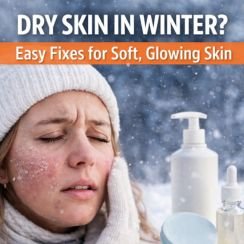
Finding the best moisturiser for dry skin in winter to protect your dry Skin
When you search for particular “powerhouse” ingredients. The best moisturizer for winter dry skin must combine humectants in one mixture to attract moisture and occlusives to help keep the liquid in this area.
- Ceramides and Hyaluronic Acid: They’re the glue that holds your skin cells together. When air is dry, it can drop your levels of ceramide. Products containing these, in addition to hyaluronic acid, help restore a damaged barrier.
- Rich Butters and Oils: For very irritated areas, shea butter, squalane, or jojoba oil. This emulates your skin’s natural sebum and provides a protective “buffer” against the blow from angry winds.
- Avoid Irritants: You will never make contact with products loaded with alcohol or highly artificial fragrances. In the cooler months, your skin is generally a lot more sensitive, and these ingredients can convert a dry patch into a super itchy rash.
Common winter skin mistakes you might be making
Most of us are making the connection to winter dryness in part because we continue practices from summer. Harsh cleansers, skipping moisturizer, or excessive exfoliation can all harm your skin barrier. The cold and wet winter skincare program for you is all the more effective for your skin due to the protection and nourishment and a gentle approach, as opposed to aggressive treatments.
Conclusion
The winter blues for your skin doesn’t have to mean solving one’s skin all at once. The fix for winter dryness starts with consistency. Because your skin needs ongoing care, not easy fixes, like keeping a routine for winter skincare and then ensuring you choose products with the right ingredients, which make it possible for your face to be full and well nourished up to spring. This is why we must look to protect our barrier today: no matter how low the temperature drops, your skin will never be dulled.
FAQs
Q: What are the actual causes for dry skin in the winter?
Ans: The main culprit is low humidity. Cold air doesn’t have much humidity. Your environment dries the skin even more, and moisture evaporates from your skin real quick.
Q: How many times should I moisturize in the winters?
Ans: At least moisturize twice a day in the winter. But for the one who’s experiencing extreme dryness, reapplying the best moisturizer for winter dry skin in the afternoon to the hands and face is very helpful.
Q: Can drinking more water relieve winter dryness?
Ans: Not really, though internal hydration is key to overall health, “winter skin” is often an external barrier issue.
